
UTN Concepción del Uruguay Exhibition
On October 21, at the Civil Engineering Final Project Chair, engineers German and Dino Raffo shared their experience abroad and their knowledge about sustainable solutions for wastewater treatment. 💧🌱


The UNC Civil Engineer, Dino Raffo, presents his Thesis of Laurea Magistrale in Ingegneria Edile with courses at the School of Architecture, Castello del Valentino, at the Politecnico di Torino, in Italy.

Dottore Magistrale in Ingegneria Edile.
Dino shares in his final thesis a complete analysis of the solutions for domestic wastewater treatment.
Shared here in Italian, English and Spanish.
soluzioni basate sulla natura
integrabili negli edifici
soluciones basadas en la naturaleza
integrables en los edificios
This work is presented as a technical manual for the construction of Biofilters, for the treatment of residential wastewater, from solutions based on nature that have been used for a long time all over the Planet.
It highlights the advantages of using these systems in buildings and it shows how it can be used on an urban and industrial scale.
It points out the limitations of choosing this treatment method and offers solutions for integrating them into existing buildings.
The proposal to use EM as an additive, an amazing Japanese biotechnology.
Comments on other cases in construction where biotechnology is used for water purification.
Architectural proposals are made, that empower the message.
It ends with a philosophical analysis of how important water is.

My motivation of writing is to study and spread the word about a way to clean water. Which is the most efficient, economical, and intuitive way.
The objective is to reduce the environmental impact of human wastewater.
That water is treated properly before being returned to its natural cycle.
To avoid returning it contaminated, thus affecting the cycle as a whole.
It’s a problem of lack of social awareness, affecting all of us down to our main element, Water.
Today, it is estimated that only 20% of our wastewater is properly treated before being returned to its natural cycle, and up to 4% in developing countries,1 according to the parameters established by the few existing standards.
This means that up to 93% of the water we use is returned contaminated.
If we consider domestic water, with an average of 200 liters used per person per day, in the densest agglomerations, it becomes an environmental problem with an impact on water; and a considerable waste of water that, with proper treatment, can be put to a second use.
This is an opportunity to treat our wastewater on an architectural scale through simple works inspired by the self-purifying power of nature, respecting the time and space she requires.
Technology
Those responsible for decomposing and closing the cycle of pollutants in our wastewater are mainly biological agents. Microorganisms and plants working together, that reproduce the most efficient natural processes for this task.
By combining this biotechnology with simple architectural and hydraulic works, it’s used in the most cost-effective way possible. Being able to guarantee, with simple calculations, the parameters of the pollutants at the output of the system.
The system can be divided into 3 steps or types of treatment.
Primary treatment
Wastewater treatment starts with the dissolution and dilution of the organic load into the water, a task performed by anaerobic bacteria, which work in the absence of oxygen.
Therefore, it is necessary to build a sealed and oxygen-isolated container, like a conventional septic tank.
Secondary treatment
Next, to close the cycle of the pollutants, we need to transform them into something else, and here is where we need aerobic bacteria, which act in the presence of oxygen. These bacteria concentrate in the rhizosphere and transform the pollutants into nutrients for the plants.
This is done through artificial wetlands or biofilters.
Tertiary treatment
The clean water goes into an infiltration system in the ground, such as an infiltration well. Or it can be stored in a tank for reuse.
Residential wastewater contains several contaminants that, if not treated properly, can affect our health and the quality of our living environment.
Such contaminants include:
Pathogenic microorganisms: such as bacteria, viruses, parasites, which cause diseases such as hepatitis, cholera, dysentery, diarrhea, giardiasis, etc.
Organic matter: such as fecal matter, toilet paper, food waste, soaps and detergents, which consume oxygen in water and produce bad odors.
Nutrients: mainly nitrogen and phosphorus, which promote the overgrowth of algae and aquatic grasses in streams, rivers and lagoons.
Other contaminants, such as oils, acids, paintings, solvents, drugs, etc., that disrupt the aquatic life cycle.
The greatest difficulty we have in relation to water pollution from domestic wastewater is the excess of nutrients. In domestic wastewater, we have an input of nutrients from both human effluents and the detergents used.
Excess nutrients in water is an impact especially in lentic water bodies, such as lakes or low-flowing streams, which produces a phenomenon commonly called eutrophication, which is a natural response to this problem in which algae, such as cyanobacteria, reproduce, which means an environmental impact, but which in addition have the ability to produce microcystin, a hepatoxin that can cause short- and long-term gastrointestinal disorders; leading to a public health problem.
This excess of nutrients cannot be eliminated by conventional treatment systems.
A clear example of this issue is the contamination of water from my beloved city of Córdoba, Argentina, from which 70% of the drinking water comes from Lago San Roque, a lake to which the waters of the entire Punilla Valley flow, which is a total of 16 municipalities and 9 communes, and is a mountainous area where there is no large agricultural or livestock land, Therefore, nutrient inputs to the lake are mainly from residential wastewater, in particular the discharges from the city of Villa Carlos Paz, one of the most touristic cities in Argentina, with a population approaching 100 thousand permanent residents in recent years, which can quadruple during the tourist season. This city is located directly on the south side of the lake.
Cyanobacteria blooms on the surface of the lake reached levels of 66% of the surface.
6

Figure 1. Punilla Valley, Cordoba, Argentina. Google Maps.

Fig. 2. Water capture of Lake San Roque, Argentina, March 2022. THE WAVE ORG.[7]
Among the parameters that are used to evaluate the concentration of contaminants in our wastewater are coliforms, mainly of fecal origin, which are pathogenic and can cause serious gastrointestinal diseases if ingested, representing a risk to public health. Furthermore, the overgrowth of coliform bacteria can contribute to the phenomenon of eutrophication, a process that reduces dissolved oxygen due to increased bacterial activity.
This makes us reflect on another important indicator, namely BOD5 (Biological Oxygen Demand, over a 5-day period), a measure of the amount of dissolved oxygen required by aerobic microorganisms to decompose organic matter in water.
To understand this indicator, we have to think of water working in a similar way to air, imagining thousands of people in a confined space, all needing oxygen to breathe; when the dissolved oxygen in the air runs out, the air ‘suffocates’ and, consequently, so do the people.
The same happens in water: the higher the organic load in our water, the more bacteria feed on this organic load and reproduce, bacteria that require oxygen. And, when the limit is reached, the water runs out of oxygen (hypoxia) and ‘dies’ and, consequently, all aquatic life.
In addition to BOD5, we have COD (Chemical Oxygen Demand), which covers this effect of a wider range of organic compounds, both biodegradable and non-biodegradable.
Also, we have to take into account the amount of suspended solids and fats, oils and grease, in our waste water.
In general, the parameters present in domestic wastewater, and the ones we will use as a starting point to reduce in our treatment systems, are as follows:

Table 1. Physico-chemical and bacteriological parameters of effluents. Values adapted from Ingeniería de Aguas Residuales. Tratamiento, Vertido y Reutilización. METCALF & EDDY, INC. [3]
7
The various emerging pollutants must also be taken into account.
According to the UN World Water Development Report 2018: Nature-based solutions for water management:
“Among the 118 drugs monitored in inflows and effluents in conventional wastewater treatment systems, almost half were only partially removed, with an efficiency of less than 50 per cent (UNESCO / HELCOM, 2017). Studies have shown that constructed wetlands can offer an alternative solution for the removal of emerging pollutants from domestic wastewater and thus effectively complement conventional wastewater treatment systems. The effectiveness of constructed wetlands in the removal of various pharmaceuticals has been demonstrated in Ukraine (Vystavna et al., 2017; UNESCO, forthcoming) (Table 3.3), as well as in other pilot studies (Matamoros et al., 2009; Zhang et al., 2011) and large-scale studies (Vymazal et al., 2017; Vystavna et al., 2017). These results suggest that, for some of these emerging pollutants, SbNs work better than grey solutions and in some cases may be the only solution.” [1]
It is crucial to understand that the main problem with our wastewater is excess nutrients, which are harmful to water but beneficial to plants, and here is where nature-based solutions come in.
8
To clean our waters, it is essential to understand how nature cleans all her waters.
If we look at the natural processes that take place in the planet’s kidneys, the wetlands, we understand that those responsible for the decomposition of pollutants in the water are tiny organisms, together called micro-organisms, which in cooperation with aquatic plants manage to transform and close the cycle of pollutants.

Fig. 3.Wetland. THE WAVE ORG. [7]
Wetlands are complex aquatic ecosystems composed of vegetation and a diversity of species, with microorganisms specifically adapted to these environmental conditions.
They provide a variety of ecosystem services, such as regulation of the water cycle, flood protection, biodiversity, filtration and fixation of pollutants. It’s in this last case that these organisms, together with mechanical, chemical and biological processes, are able to purify water, removing large quantities of pollutants.
The high purification capacity of wetlands is exploited in the design of plants that can reproduce the characteristics of these ecosystems and apply them to wastewater treatment.
The role of the engineer or architect will therefore be that of coadjutor, who through simple architectural and hydraulic works, creates the channels that allow these microorganisms to develop as efficiently as possible.
8
Constructed wetlands are nature-based solutions in which certain conditions like natural wetlands are recreated, using phytoremediation or phytodepuration processes to clean our water.
Also called biofilters, they are systems designed to mimic the characteristics and processes (physical, chemical and biological) of a natural wetland.
Constructed wetlands, like natural wetlands, can reduce a wide range of water pollutants, such as:
~ suspended solids,
~ BOD,
~ COD,
~ nutrients, such as phosphorus and nitrogen,
~ metals,
~ pathogens and
~ other chemicals.
The removal occurs through a number of processes, including:
~ sedimentation
~ filtration,
~ microbial metabolism (aerobic and anaerobic),
~ absorption and respiration of plants
The main difference between a natural wetland and an artificial wetland is that the second one allows wastewater treatment according to designs based on specific effluent quality objectives.
Constructed wetlands are used as secondary systems of wastewater treatment.
The construction of these secondary treatment systems is essential to achieve the discharge parameters recommended by the standards, to avoid having a negative impact on the surrounding water bodies. In first place, that of underground aquifers, from which we take water for our own use.
The closer the aquifer is to the surface, the higher the risk of pollution if we return our wastewater without proper treatment.

Drawing 1. Contamination of our groundwater. (By the author)
Wetlands are secondary systems in a complete three-stage system, accompanied by an essential primary treatment to remove solids and a tertiary system to infiltrate or store water for reuse.
9
The main advantages of wetlands are:

Fig. 4. Sub-superficial type of wetland combined with a superficial type of wetland with a concrete finishing. TIM [4]
Their main disadvantage is that they require a larger surface area than other systems.
This is the main economic factor to consider. Comparing the price per square metre, together with construction and maintenance costs. Analysing these in the medium and long term, taking into account the operating lifetime of these systems.
In general, an artificial wetland is always cheaper. Both in terms of initial investment and economic analysis over the lifetime of these systems.
It is above all the simple maintenance that makes this type of solution so attractive. Compared to the difficulty and high maintenance costs of other systems, such as activated sludge.
Constructed wetlands are optimal solutions. We always recommend opting for this solution, as long as the project conditions allow it.

Fig. 5. Sub-superficial type of wetland combined with a superficial type of wetland
with a concrete finishing. TIM [4]
10
When we speak of a treatment system, we are referring to a sum of components that together will provide a solution to the problem.
For each of these components, there will be several technically and environmentally valid alternatives, developing those that, according to the author’s criteria, are the most appropriate, so that the result is sustainable.
What is considered sustainable?
~ Adequate to the environment: they must use renewable resources and not exceed the carrying capacity of the ecosystems in which they are placed.
~ Appropriate to their function: they must solve the problem in question effectively and efficiently.
~ Appropriate for people: they must be low cost, easy to use and maintain, simple to understand and reproducible on a local scale.
The system will consist of three well-defined components, that achieve different treatment processes in each phase.
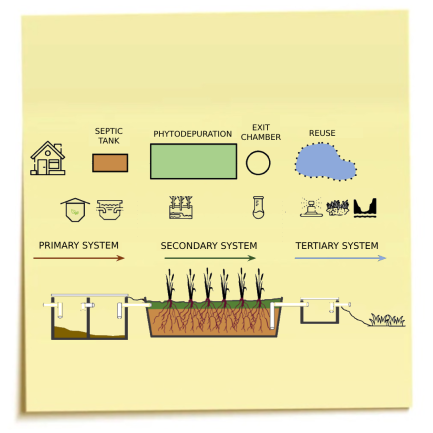
Draw. 2. Treatment system. (By the author)
11
From a physical point of view, the substances that influence the natural state of water in the effluent can be presented as follows: substances that float, substances that settle, substances that dilute.
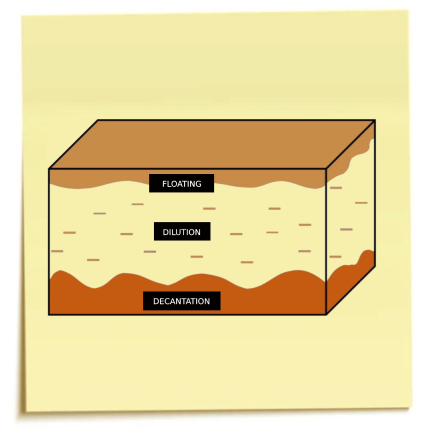
Draw. 3. Status of contaminants in the effluent.
To properly treat the effluent, in these three states of substances, we will need different systems.
Primary System
Wastewater treatment begins, before entering the wetland, with the dissolution and dilution of organic matter in the water, a task performed by anaerobic bacteria in septic tanks (primary system), a system of chambers of a certain volume isolated from oxygen.
Some of the solids are deposited in this first stage, but a large part of the contaminants are still dissolved in the water, and it is up to this point that the treatment generally finishes, because the absence of large solids means that the tertiary infiltration systems will not be obstructed.
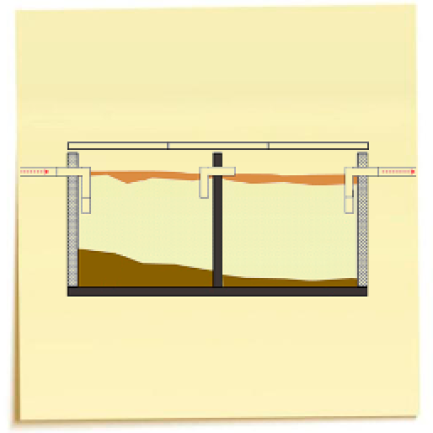
Every anaerobic primary treatment system generates waste in the form of sludge, which is deposited on the bottom. The removal of this sludge is part of the maintenance of these systems. In the case of septic tanks, this removal is carried out over a period of 2 to 5 years, depending on the size of the septic tanks, the use of water in the system and the use of additives that improve sludge degradation.
Another extensively used primary treatment system is the commercial biodigestor, which performs primary treatment similar to the septic tanks.
The difference is mainly in the sludge removal process, which is done manually and more frequently
In our projects, for economic and engineering reasons, we always opt for septic tanks.
It is crucial to understand that a large part of the pollutants remain dissolved in the water, in quantities that do not meet the parameters set by the standards, in order to not make a negative impact on the water cycle.
In order to remove pollutants from water, it is necessary to transform them into something else, and this is where secondary systems are needed.
In this case, what is bad for the water is good for the plants.
12
Secondary System

Draw. 5. Sub-surface flow artificial wetland
The secondary system is responsible for closing the cycle of the organic matter diluted, through an artificial wetland, or biofilter.
Conceptually, the effluent is flowed through a granular medium that acts as a very efficient filter, intercepting all solids that may not have been retained in the primary system and supporting the plants that are responsible of taking the nutrients from the effluent and use them for their growth, generating biomass.
Artificial wetlands not only generate optimal degradation of the organic matter dissolved in the water on a physical and biological level, but also minimize the proliferation and survival of pathogenic microorganisms through competition with other beneficial microorganisms (bacteria, yeasts, fungi and protozoa) that survive thanks to the oxygen introduced by the plants through their roots, through the action of solar radiation that activates photosynthesis processes, along with oxidation reactions in the rhizosphere. With this technique, water is treated until it reaches characteristics similar to natural ones.
The predominant bacteria in wetlands are facultative bacteria, which can live with and without the presence of oxygen, and aerobic bacteria, which need oxygen to survive. They are responsible for transforming pollutants into plant nutrients.

Fig. 6. Wetland of single-family house in Bosque Pequeño, with carrizo plant. Eng. Fernando Raffo.
In this way, pollutants end up being transformed into plants, while clean water passes to its natural cycle, through a tertiary infiltration system or goes to a reuse system.
13
Tertiary system
Once our waste water has been treated, it is time to see where to direct it.
For this purpose, we have several options to choose from.
Reuse of treated water
On one hand, we can reuse the treated water for the irrigation of green areas or for other uses. This can be done in different ways, either automatically or manually by maintenance staff. Depending on the amount of water and the green spaces to be irrigated, the reuse system is designed.
It is always recommended that these systems have an overflow that directs the water to an infiltration system in case the treated water is not fully used.
Infiltration system
These systems infiltrate the treated water into the ground. This is done through a surface between the system and the soil, through which the soil can absorb the water.
For the system to be sized correctly, a study must be carried out to analyze the absorption capacity of the soil.
These systems can be materialized through infiltration wells, which are cylindrical perforations in the ground with a diameter and depth determined by the amount of water to be treated and the absorption capacity of the soil.

Draw. 6. Infiltration well (tertiary system)

Draw. 7. Infiltration Channels (tertiary system)
In cases where a prudent distance from groundwater is available and treated water is not reused, the choice of an infiltration system can reduce the size of the secondary treatment system. Environmental standards that regulate the discharge of water require different parameters of contaminants for reuse (or direct discharge) and for reintegration by infiltration.
14
These chapters explain as a technical manual how to calculate and materialize each component of these treatment systems.
We invite you to download the pdf for those who want to learn more in detail about these solutions.
One of the problems we face when designing these solutions is the provision of a space to materialise the biofilter, if we want to do proper wastewater treatment, an alternative available on the market today are active sludge plants, which have their advantages and disadvantages.
But how can we incorporate nature-based solutions into existing buildings? 1800s cities, such as Torino, used to have a single drainage system for wastewater and rainwater, which means that when it rains, the flow rates to the new treatment systems are higher. The proposed solution is to combine green roofs, which are used more and more today, but turning them into a secondary treatment system.
In cases where the space conditions of the project require it, we can opt for activated sludge treatment plants, which are plants designed to treat wastewater with a biological process that uses aerobic (oxygen-requiring) microorganisms to decompose the organic matter in the water. Activated sludge is biologically active sludge that contains a high concentration of beneficial microorganisms.
The treatment process involves mixing the wastewater with activated sludge in aeration tanks, where the microorganisms absorb the organic pollutants in the water. Afterwards, the treated water is separated from the sludge in clarifiers. The separated sludge is recirculated in the aeration tank to maintain biological activity.
This type of treatment has certain advantages and disadvantages.
The main advantage is the space occupied, as these systems are buried underground and require a small surface area to treat a large wastewater discharge.
The main disadvantages are the high construction and maintenance costs. Especially with regard to maintenance, which requires constant revision and specialized personnel to maintain proper functioning.
The high costs are due to constant energy costs, chemicals, sludge removal and control, replacement and maintenance of insufflators, specialized labor (expensive and hard to find). In addition, if the power supply is interrupted for a day, the biological activated sludge system dies, making it very difficult and expensive to reactivate the plant.
This solution is now the most widely used throughout the planet, especially for large-scale cases, as a matter of custom and long-standing tradition. It is the technology that all Western educational organizations teach and recommend. On an urban scale, in recent years, we can observe how in countries with bad political and economic management, these systems end up being improperly maintained, causing them to malfunction. These cases are present throughout South America and the inefficiency of the maintenance of these systems in the medium and long term is very evident.
37
For this reason, I only recommend this type of sophisticated technology solutions to projects with a high level of organization and economic income, which are able to maintain these systems.
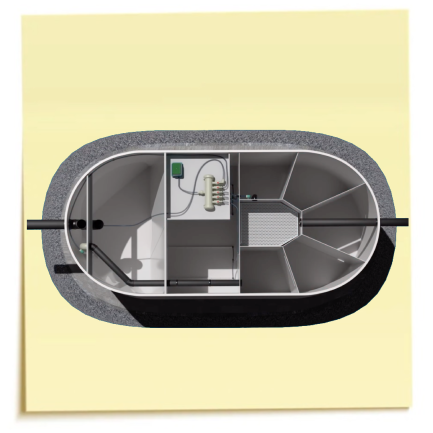
Draw.28. Activated sludge plant. TIM [4].
If we want to make a biofilter but do not have the necessary surface area to make a sub-surface type wetland with a water head height of 80 cm, the first thing we try is to make a vertical type of wetland, where the calculation objective is to make a useful retention volume equal to the necessary. The useful volume always being 1/3 the total volume, representing the empty volumes of the aggregates. And a condition must be ensured such that aerobic batteries are still reproduced, which can be achieved either with long root plants, for example Vetiver, or through aeration.
In this way we can reduce the surface area and go high.
Using this concept, we are looking for a modular solution that can be applied to existing urban buildings, either as green roofs or green walls, which also serve as secondary wastewater treatment.
A possible solution for the realization of a biofilter without taking up space in buildings could be the materialization of green roofs that are artificial wetlands with a useful water depth of 0.30 m.
Returning to the concept of the need for a surface area of 1.25 m2 per person for a water depth of 0.80 m.
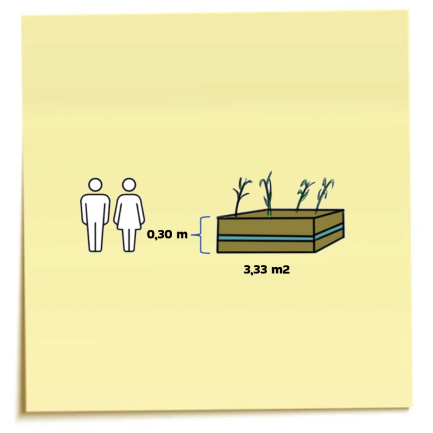
Draw. 29. 3,33 m2 per person for green roofs.
38
To have the same volume and retention time, assuming the same aggregates to be used, with a green roof height of 30 cm, the area required per person will be 3.33 m2 . Which can be thought of as a square module of 1.82 m side.
As under no circumstances these systems can be dimensioned for less than 600 l/day, we need as a minimum an area of 8.88 m2 to realize the green roof, this a square of 2.97 m side.
In the case of making these secondary systems on the roof of the building, the primary system should be done underneath, and bring the effluent up with a pump.
Green roofs will not only be advantageous in terms of surface area to materialize the secondary treatment system, but also in terms of comfort. Green roofs have several benefits, including:
Energy savings: green roofs provide natural thermal insulation, reducing the need for heating in winter and air conditioning in summer. This translates into less electricity consumption for heating and cooling buildings, helping to reduce energy costs.
And in this case, to being always saturated with water, during the summer it will be the evaporation of water that takes the heat from outside. And during the winter, at being a flow of water, which in turn arrives at a higher temperature, frost will never reach the inner surface of the roof.
It will be even more beneficial for thermal insulation purposes than a normal green roof.
Reducing environmental impact: green roofs reduce environmental impact by providing a vegetated surface that helps mitigate the urban heat island effect, reducing the ambient temperature in the surrounding area. They also absorb carbon dioxide (CO2) and release oxygen, thus contributing to the reduction of greenhouse gas emissions and improving air quality.
Rainwater management: Green roofs have little or no runoff, absorb and delay rainwater runoff, reducing the load on drainage systems and help preventing flooding.
Improved air and water quality: green roof plants capture dust and air pollutants, helping to purify the air. In addition, green roof substrates and plants filter and absorb contaminants from rainwater, helping to improve water quality.
Increased urban biodiversity: green roofs provide habitats for insects, birds and other life forms, increasing biodiversity in urban areas and providing refuge and feeding opportunities for local species.
Aesthetics and well-being: Green roofs add an aesthetic element to the city, enhancing the urban landscape. In addition, the presence of vegetation can help reduce stress and improve people’s psychological well-being.
It is important to mention that the corresponding calculation of G2, non-structural surface load, must be correctly made.
39

Fig. 17. Entrance to the first Treatment Lagoon (Photograph by the author)

Fig. 18. First Treatment Lagoon (Photograph by the author)
In large-scale cases, where the water flow rates to be treated and the contaminant load are much larger, the treatment system changes but in a similar concept way, septic chambers are replaced by retention lagoon systems and the secondary and tertiary system ends up being replaced by forests.
Retention lagoon systems generally consist of a series of three lagoons. The first is an anaerobic lagoon, where the water depth is greater than 2.5 meters to ensure anaerobic treatment in the absence of oxygen.
Then, there is a second facultative lagoon, between 1.5 and 2.5 meters deep, where anaerobic bacteria act in the lower part, aerobic bacteria in the upper part and facultative bacteria between the lower and upper parts. Finally, there is an aerobic or moderation lagoon, where the depth does not exceed one meter, ensuring aerobic treatment.

Fig.19. All 3 Treatment Lagoons (Photograph by the author)
After this lagoon system, the water is either directed to a forest irrigation system or used for agricultural irrigation. This generates a zero wastewater discharge impact and a productive use of wastewater.
40

Fig. 20. Forest irrigation (Photograph by the author)
The case presented in the photographs is a poultry hatchery in Entre Ríos, Argentina. Where the calculation parameters are in the order of 1000 to 1500 mg/l for BOD, remember that in domestic effluents they are in the order of 250 mg/l.
This is an example of industrial effluents loaded with organic contaminants. Where the sizing calculation is with the same theoretical principles but exceeding this Thesis.
In the case of domestic wastewater, if it’s collected from urban drainage and treated together, these systems can also be adopted. Where by using these ‘soft’ technologies, with lagoon pre-treatment, arriving at the parameters that can be taken by and do not impact plants, and reusing these nutrient-charged effluents for agricultural or forestry irrigation, we can turn the problem of water contamination and the financing of the treatment solution into a productive mid-term project, that makes it financeable by international funds that invest in this kind of projects.
An example of such a solution is the SIAR project in Reconquista/Avellaneda, Santa Fe, Argentina. Where the wastewater from the two cities, which together have a population of around 100,000 inhabitants, arrives on the same water stream, which then flows into the Paraná River. This stream, when the flow rates are low, shows symptoms of a ‘sick’ river, such as eutrophication, so it was decided to make a project to collect all the residential wastewater and add it to the animal industrial area, take it all together to a lagoon pre-treatment system, and reuse it to irrigate a total of more than 2000 hectares of forest.
To understand the financial numbers, in each of these hectares there is a production of around 350 euro per year, in an extensive livestock farming, and with the forestry project, understanding that it is a mid-term project because you can cut down the first tree at 8 years, planning to 10 years and dividing by year you have an estimated production in the order of 1700 euro per year in wood and biomass.
These numbers confirmed the participation and co-financing by the IDB (Inter-American Development Bank) and the CAF (Banco de Desarrollo de America Latina y el Caribe).
This will not only be a solution to the problem without the need for estate money, but will also have a social impact in direct jobs on the project and indirect jobs in the local wood industry, a double positive environmental impact in the reuse of wastewater that is contaminating the river and CO2 capture. And also, the use of biomass for energy production.
The problem of water contamination in any valley, due to residential wastewater, can begin with a solution without the need for major civil works, through the use of territorial ordinances that delegate the problem to the private sector.
This ordinance requires for new projects that are not connected to the drainage system to set up a treatment system that ensures compliance with the parameters for discharge generally already established, for the approval of construction plans, while for existing projects there is a period of time for compliance, with penalties for non-compliance.
It is accompanied by a Technical Annex and Technical Manual offering the different technologies available, such as septic chambers and biodigesters for anaerobic treatment, and biofilters or artificial wetlands for aerobic treatment. With calculation guides and manuals to enable any engineer, architect, builder or general public to understand, to become part of the solution and not part of the problem.
Once the different solutions have been applied, both from the ordinances and the projects for the collection, pretreatment and productive use of wastewater, then we can think in technologies for the regeneration of polluted water, using macro and microbiological technologies
Returning to the first example of the contamination and eutrophication of Lake San Roque, in the year 2023 with my twin brother we participated in a study in the UNC hydraulics laboratory, using the water of the lake with cyanobacteria and using a Japanese biotechnology, EM, with different proportions in relation to the surface, applied to the water once a week, and in only 3 weeks of the study the cyanobacteria on the surface were no longer there. [8] This proves one of several natural technologies that have the potential to clean water.
But it is of no use if we do not stop the effluent emissions first.
41
The tool I’m inviting you to meet comes from a common interest of us all, aimed at contributing to the Millennium Goals: reducing hunger, poverty, inequality, negative impact on the environment and increasing biodiversity, securing human rights, heritage, and cultural identity on an international level, participating in the change towards the Age of Aquarius.
“Creating a paradise on Earth, eradicating disease, poverty and conflict”. transl. en. [11]
The main objective of using this biotechnology is to learn from the great power of nature, which goes beyond what humans are capable of understanding, to make this knowledge available and adapt it to social, environmental and economic goals.
The product is based on micro-organisms that are easily accessible, ridiculously cheap, highly effective, and extensible to all imaginable sectors of production, in an innovative and renewed way.
Preserving nature and responsibly protecting the environment.
The product in question is Effective Microorganisms (EM), developed by Teruo Higa, professor of horticulture at the University of Ryukyus in Okinawa, Japan.
The basic philosophy of this new technique is to restore the energy balance in nature without polluting it.
“The extent of environmental pollution is increasing worldwide because of the lack of understanding that, in a broader sense, the increase of entropy on earth occurs because we do not purify harmful substances in a proper time, increasing with entropy the pollution.” transl. en. [11]
Teruo makes clear that, to solve a problem faster, you have to work as small as possible. According to Einstein’s relativity, the smaller the space, the larger the time dimension must be to maintain energy. This means that time, which for us is seconds, for microorganisms is generations and generations, a fractal analogue of the relationship of human generations to the time in which the Earth moves, as a living organism on a larger spatial scale.
The simple explanation of this technology is that in each group of micro-organisms we have 10% “good” micro-organisms and 10% “bad” micro-organisms. If we have milk, for example, and the predominant bacteria ferment, meaning that eat the organic matter, digest and decompose it to finally release it in water-soluble forms, the milk becomes cheese. On the other hand, if the predominant bacteria in the milk suffer from putrefaction, as they digest the organic matter, they decompose, releasing energy in the form of gas and heat, energy that will now be on a different, entropic energy level, never being able to return to equilibrium with the original material level.
Now, if we have 10% of bacteria that ferment and 10% of bacteria that suffer putrefaction or rot, what happens to the remaining 80%? They let themselves be guided by those next to them, they imitate the leader, they analyze the nearby history to choose a behavior, almost analogous to us humans at the time of political elections, we have
42
10% persisting with the election of A and 10% persisting with the election of B, and another 80% analyzing the situation.
This biotechnology are microorganisms that always tend to ferment, and together they form a group that already functions as a system, where the waste of one is what the other eats, and so on. In short, they are mainly yeasts, photosynthetic bacteria and lactic acids, but they contain about 80 varieties of microorganisms, including aerobic and anaerobic species, as well as photosynthetic species, resulting in the coexistence and complementarity of these microorganisms, which give them a high antioxidant power, which can adapt to different environments, including those extremes.
“Photosynthetic bacteria: Photosynthesis is not simply something that happens in the leaves of plants. It also occurs in the soil and in the water, where it is caused by the action of photosynthetic bacteria. … The photosynthetic bacteria synthesize antioxidants, amino acids, sugars and a number of physiologically active substances and stimulate plant growth. The substances synthesized in this way are not only absorbed by the plants, but also play a role in supporting the proliferation of other effective micro-organisms.” transl. en. Pag. 120 [9].
You may wonder what happens to the initial 10% that persist in suffering from putrefaction, and the answer is that they get extinguished at a speed that is too fast for us. Again, to solve a problem faster, we have to go smaller.
I personally got to know this technology while I was living in Buenos Aires in 2018, while visiting my grandmothers in Colón, Entre Rios, I went to my uncle’s farm, and he shared with me that he was working with this biotechnology that he had met through his relationship with Japan while travelling for his 6th dan in black belt of Karate.
I was impressed as soon as I entered the chicken coop and smelled nothing, but of course, none of the bacteria were suffering from putrefaction, releasing energy in the form of gas, sulphur dioxide (SO2), …, methane (CH4), this last responsible for the smells. The compost from decomposing organic waste, without being hot and without odours. The plants; tomatoes and lemons falling off the branches from the huge they were. He used these microorganisms for many things, such as for the honeycombs of the bees that produce his honey.
As the person representing EM in Argentina, Raul Higa, Teruo’s cousin, has always lived in Cordoba, and my twin brother was living in Cordoba at the time, I passed by for Germelo and we went to meet Raul, and as soon as we arrived at his house, his wife said: ‘it’s them’, as if it were a prophecy. After hours of connection, we left with a book and a bottle of EM each one; then I participated in the 100 years of friendship between Argentina and Japan in the Japanese Garden of Buenos Aires with Raul, and from then on we studied and made studies with universities up to the point of using them even as an additive to concrete, improving its mechanical conditions.
EM, understanding Teruo’s words, brought me not only a tool to use today to clean the waters, also a universal energy of faith that there is still time to rebalance our relationship with nature.
EM can be used as an additive to improve wastewater treatment systems; just pour it into any water of the system and it will reach the treatment system.
The dosage Teruo recommends for wastewater in his book is 1 liter of EM per 100,000 liters of wastewater. This dosage can be given on 3 or 4 occasions per year.[9] This dosage can be changed as it is tested and refined with experience, analyzing the response of each system.
The digestive power of this group of micro-organisms favors the digestion of the sludge in the septic tanks, making its accumulation much slower and, consequently, prolonging the frequency of plant maintenance from 2 to 5 years.
But the most important advantage of using EM in treatment systems is the elimination of odors, which can be a quick solution for poorly sized systems with this problem. It is important to clarify that if a septic tank treatment and subsurface wetland system as proposed in this thesis are implemented, it will not produce odors even without the use of EM as an additive. Therefore, the increase in maintenance periods is the main benefit to be taken into account in the economic analysis.
In addition, it improves purification parameters at the output of the systems.
No progress has been made, at least to the best of my knowledge, in studies of treatment systems with the same size, with one control system and one or more with different dosages of EM. I think it would be interesting to study this aspect to verify that what Higa proposes is indeed correct.
I invite you to pursue these studies and please do not hesitate to contact the author to advance in any study or research project.
43
This biotechnology has demonstrated results in the regeneration of polluted waters all over the planet, solving also the main problem generated in lentic water bodies due to domestic wastewater.
The application of this biotechnology in eutrophic lakes in proportion to their surface area has succeeded in eliminating surface cyanobacteria and improving water quality.
A concrete example is the recovery of the water quality of the dike lakes in the city of Xalapa, Veracruz, Mexico.
The analysis of water quality parameters carried out by INECOL[10] shows that the lakes have regained their self-purification capacity and have reduced the health risk and the spread of diseases in the lakes for fish and users of the valley.
The results of the water quality analyze at the end of the restoration project show a significant improvement in all 14 parameters assessed, in particular an increase in dissolved oxygen, a drastic reduction in organic matter, nutrients and chemicals in the water column, and the elimination of toxins responsible for keeping the fish in the lakes under chronic stress.
In this case, the following protocol was used.
Shock treatment 250lt EM/ha (one week
Stabilisation treatment (150 lt EM/ha/week) for three months.
Maintenance treatment (50 lt EM/ha/week) for the rest of the year.
The beauty of the landscape is one of the environmental services whose economic value is most difficult to estimate or calculate; however, it is the one of greatest interest to the social collective. Users of the Paseo de los Lagos, at the end of the recovery project, can appreciate the sighting of the local aquatic fauna. It is common to see how visitors stop to contemplate the fish and turtles that can be seen from the shores.
It can also be seen that the surface of the water has regained its mirror effect, reflecting more clearly the visual elements of the landscape, such as trees, buildings and clouds, giving an intuitive feeling that this is a body of water in good condition. In addition, improvements can be seen in the cleanliness of the stone that forms the edge of the lake, as in many places the deep green color of the cyanobacteria has been removed.
Maintenance consists of applying low doses to priority sites and introducing mud balls containing micro-organisms to the bottom of the lake to accelerate the decomposition of settled solids. The purpose of this process is to prevent deterioration of the water quality, to prevent it from becoming severely polluted again and thus to avoid the need for a complete remediation.
44

Fig. 21. Lake in Xalapa, before being treated with EM. Andres Gonzalez, EM Mexico Representative.

Fig. 22. Lake in Xalapa, after being treated with EM. Andres Gonzalez, EM Mexico Representative.
Taking these studies as a reference, in 2023, we proposed with my twin brother Eng. Germán Raffo to carry out a study in the hydraulic laboratory of the UNC, using water from San Roque Lake with cyanobacteria and using EM, with different proportions in relation to the surface, applied to the water once a week. And in only 3 weeks of the study the cyanobacteria on the surface had disappeared.
The application of EM has proven effective in reducing the cell abundance of Microcystis sp (cyanobacteria).
The improvement of dissolved oxygen levels suggests a positive influence of the EM micro-organisms on water quality.
“Total nitrogen levels show a generalized reduction, indicating a possible positive influence of EM microorganisms on denitrification. However, no significant variations in total phosphorus levels are observed between treatments…
Overall, these results support the hypothesis that EM technology can play a key role in improving water quality and reducing the proliferation of Microcystis sp. in Lake San Roque, offering promising prospects for application on a practical scale.” transl. en.[8]
45
Healthy water, healthy bath
Natural pools are artificially constructed natural lagoons that provide clean, healthy water full of life in which you can take a refreshing bath.
They function like a normal swimming pool, but instead of using chlorine to clean the water, it is recirculated through a constructed wetland.
By separating the bathing part from the aquatic life of plants and other organisms, where the user can enjoy a water space like a traditional pool, that can. be combined with an infinity border that extends over a natural lagoon, which functions as a wetland.
This balanced ecosystem avoids the use of chemicals such as chlorine for maintenance.

Fig. 23. BioPool Entre Rios, Argentina. Fernando Raffo
In conventional swimming pools, all kinds of pathogens and life are killed by chlorine, generating inert water with a high chlorine content that is harmful to the skin and body, and to the life of the pool water.
A natural pool, on the other hand, is a balanced ecosystem that ensures healthy, life-giving water through a biological filtration process.
46
Natural pool designs may vary depending on the design of the bathing area, regeneration area, water circulation, materials used, available space, topography, number of users and many other factors.
Each case must be studied in its own special way.
It is not necessary to have the systems connected to the pool’s water surface, a biofilter could be placed in parallel where the water could be recirculated and returned to the pool.
Imagine, for example, that you want to use a biofilter to clean the water of an Olympic-size pool, to use it as an alternative to chlorine, which makes it unpleasant to swim in; you could make a parallel biofilter designed to clean pollutants from human use, and recirculate the water through a biofilter using a pump, or make a green roof over it, the solutions are all imaginable. Each case will have to be studied in a particular way. In this example, if it is a heated pool, an important factor to consider would be the temperature of the water before entering the treatment system.

Fig. 24. BioPool Entre Rios, Argentina. Fernando Raffo
Natural pools offer a number of significant advantages over traditional pools. Here are some of the main ones:
Environmental sustainability: biopools utilise natural water filtration and regeneration processes, eliminating the need for chemicals such as chlorine. This reduces the ecological footprint and minimises the release of harmful chemicals into the environment.
Clean, healthy water: biopools use beneficial plants and microorganisms to keep the water clean and clear. This creates a healthier swimming environment without the irritating chemicals found in conventional pools.
Low operating cost: in the long run, bio-pools tend to be cheaper than traditional pools, as they do not require the constant purchase of chemicals or the energy needed to run the filtration and disinfection systems
Natural aesthetics: biopools blend harmoniously into their surroundings, offering a more natural and attractive appearance than traditional pools, which can often appear intrusive in the landscape.
Biodiversity: biopools can promote biodiversity by providing habitats for aquatic plants and animals. This can contribute to the conservation of local fauna.
Less skin and eye irritation: by eliminating the use of chlorine and other aggressive chemicals, biopools reduce the possibility of skin and eye irritation for users.
Resale value: natural pools can often increase the value of a property due to their ecological appeal and low long-term operating costs
Unique swimming experience: swimming in a biopool can offer a more pleasant and natural swimming experience, as the water is usually at a more pleasant temperature and feels softer on the skin.
Contribution to environmental education: biopools can serve as educational tools to promote environmental awareness and understanding of natural water purification processes.
Less impact on water resources: by using natural filtration systems, swimming pools may require less water resources than conventional pools.
In short, biopools offer a sustainable and natural way to enjoy a bathing space, with benefits for both the environment and the health of the people using them.
If we also use EM as an additive in these systems, it is even easier to keep the water in optimal condition.
47
Integrations
Primarily, those who choose this type of solution are people who are in syntony with the concept of the importance of nature and water.
The architectural work is therefore not simply a solution to the problem, but also a philosophy of the space in which it is located.
Each project will have its own relationship with the space in which it is located and its own choice of surface finishing materials.
The constructed wetland is mainly underground, so its functioning does not depend on the chosen finishing surface.
It is therefore in its finishing that the architect will have freedom of choice.
For example, if the finish of the main building is exposed concrete, a perimeter border of the same material can be chosen to integrate the wetland into the architecture and represent its embrace with nature.
I believe that to solve this environmental problem, we must first focus on the message we want to transmit to society, and we must do this through art, which is a reflection of this socio-cultural super-organism.
BioPhilter
The first proposal is inspired in nature, the nature of humans, the penta, the quality of the number 5.

Phi relations in the pentagon. Pablo Isso. [11]
48
I first read about this wonderful number or proportion reading a Dan Brown’s book, The Da Vinci Code.
The same number that inspired Leonardo Da Vinci to create his work “L’Uomo Vitruviano”.

L’Uomo Vitruviano. Leonardo da Vinci.
Architecture in itself is geometry, and in all natural geometry lies a divine proportion.
We find this proportion in indispensable places, even in ourselves.
In my first lesson of the workshop “Disegno dal Vero e dell’Immaginario” in the Castello del Valentino, the professors proposed to draw either the face of our colleagues or our hand (my choice); personally, although I have always had an interest in art and its occult codes, drawing a complete stranger’s portrait at that time was not a skill for me, especially after having studied engineering for years.
Drawing my hand from the Real (“dal Vero”) meant observing and copying exactly what I saw with my own eyes.
What could I bring into my drawing from the Imaginary (“dell’Immaginario”)? The intuitive thing for me at that moment was to be inspired by the nature of this proportion. For that I calculated the drawing of my own hand through these proportions, completing the details from what I could see with my own eyes, the Real.

Fig. 25. Drawing of my first lesion o Workshop Disegno dal Vero e dell’Immaginario. By the author.
Although the correct golden angle is 137° when drawing on a rectangular sheet, I decided to increase the radius of the spiral every 90° to fit it into the available space.
Some time later, I took this drawing as a reference to make my first 3D model, using the programme SketchUp, to model a biofilter in the form of a giant snail, from which the plants that clean the water grow. Which after rendering it looks like the following image.
49

Fig. 26. Render of the BioPhilter. Pia Milessi.

Fig. 27. Render of the BioPhilter. Pia Milessi
50
IcoBiofiler
The second of the architectural proposals was inspired by water, using the geometry used by Plato to represent it, in his work Timeus, where he describes the five regular or perfect solids, also called cosmic solids. In his dialogue, Plato quotes: “Fire is formed by tetrahedrons; air by octahedrons; water by icosahedrons; earth by cubes; and since a fifth form is still possible, God used this one, the pentagonal dodecahedron, to serve as the limit of the earth”.
This geometry is considered sacred and is used to represent, for example, human’s chakras.
The icosahedron is the geometry that represents water, the sexual chakra, the musical note D, the colour orange and all the rhythmic fractals of this frequency, of the universal vibration.
This is why we propose a biofilter with a pentagonal base, which serves as the basis for an icosahedral dome, to be materialized for example with bamboo.

Fig. 28. Render of the Icobiofilter. Arch. Pia Milessi

Fig. 29. . Render of the Icobiofilter, seen from above. Arch. Pia Milessi
Conceptually both the primary and tertiary systems are underground, and it is the secondary system that is seen as an architectural result, but functional, as is clear from the following scheme:
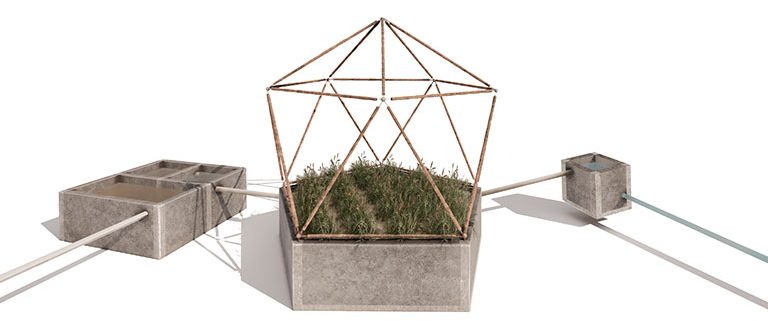
Fig. 30. Render Scheme IcoBiofiler.. Arch. Pia Milessi
51
I share with you the plans for the IcoBiofilter, so that anyone who feels inspired by these designs can use them to clean their own waters, very few things would make me feel truly happy.
Its materialization consists of a biofilter with a pentagonal base that allows the construction of a perimeter beam above the last row of bricks, or it can be materialized with a plastic membrane contained by a pentagonal concrete beam, on which the structure of the icosahedral dome can be built.
The functioning of the biofilter does not depend on the geometry, the important thing is to ensure a crossflow across the entire surface of the biofilter.


52

IcoBiofilter BluePrints in Spanish, by my twin brother, Eng. German Raffo.
53

Fig. 31. Water-crystal photograph of water exposed to the words love and gratitude, written. Masaru Emoto.[12]
I would like to conclude by quoting Masaru Emoto [12], who went even further in studying water. He believed that water could be influenced by non-physical effects.
So he put a glass of water in the middle with people of all ages in a circle around it, and they all started saying horrible words to the water, with the worst possible energies. Then he removed the glass and put another glass, where everyone started saying nice things to the water with all the love they had.
Then he froze these waters and with a microscope photographed them as they crystallized.
The water that had received negative energies did not form any crystals, while the water that had received kind words and love crystallized harmoniously.
This led him to think that water transports the information to which it’s exposed.
So he continued his experiments by exposing water to various different stimuli, such as thoughts, words written on slips of paper, Buddhist mantras, photographs, music, among others.
Some adopted a harmonious crystallization structure that, in geometry, communicated the nature of the message of each stimulus.

Fig. 32. Water-Crystal formed from water that was eposed to the song Yesterday of the Beattles. Masaru Emoto[12]
54
If everything is in a state of vibration, it means that everything creates sound. It does not mean that we hear all sounds.
The human ear hears them between 15 and 20,000 Hertz.
And while sound is being created, there is one main listener that seems to receive all sounds: water.
Think about the fact that music affects crystal formation and can have completely different results depending on the spoken or written words that are shown to the water.
Again, the answer is that everything vibrates. Water, so sensitive to the unique frequencies emitted by reality, reflects the outside world in an essential and effective way.
One day, by chance, I opened a book and what I read in that book had a completely different meaning for me, because my heart was open and receptive to the message.
If you know that something is possible in your heart, it really is. We make it possible through the will. What we imagine in our mind becomes our reality. That is one of the things I have learnt from water.
Getting to know water is like discovering the operation of the cosmos and the crystals revealed by water as portals to other dimensions. As Masaru continued his experiments with photographs of crystals, he discovered that he was close to stepping up the stairs to understanding the deep truths of the cosmos.
I remember one photograph in particular. The most beautiful and delicate crystal he had ever seen, formed by the words love and gratitude.
Masaru Emoto says that “the average body is 70 per cent water.
As a fetus, we are 99% water. When we are born, we are 90% water and when we reach adulthood, 70%. If we die in old age, we are probably about 50% water. In other words, throughout our lives, we exist primarily as water.” transl. en. [12]
Emoto studied water for many years, and the discovery that water can copy information has broken paradigms for me.
“The water in a river remains pure because it’s moving. When water stagnates, it dies. Therefore, water must be in constant movement. The water – or blood – in the body of sick people is often stagnant. When the blood stops circulating, the body begins to deteriorate and if the blood in the brain stops, life can be in danger.’ transl. en. [12]
But why does the blood stagnate? We can see this problem as stagnation of emotions.
When emotions flow throughout the body, there is a sense of joy that leads to physical health.
To move, to change, to flow: this is the meaning of life.
And it is really fascinating if we remember that 70% of our body is made out of water.
~ If thoughts and words can do this to water, imagine what our thoughts and words can do to ourselves, that we are 70% of water.

Fig. 33. Crystal formed by water exposed to the words
Thank You!
Dino Raffo
55
In the Appendix you will find the tables of the different flow rates to be taken into account for sizing the treatment systems at Real State scales in the different possible cases, such as a hotel, a bar, a cinema, etc.
We invite you to download the pdf for those who want to learn more in detail about these solutions.
To read the bibliography of this Thesis, we invite you to download the pdf.
soluzioni basate sulla natura
integrabili negli edifici
soluciones basadas en la naturaleza
integrables en los edificios
On October 21, at the Civil Engineering Final Project Chair, engineers German and Dino Raffo shared their experience abroad and their knowledge about sustainable solutions for wastewater treatment. 💧🌱

Wastewater Treatment Ordinance to be applied in a Municipality A solution for municipalities with low infrastructure budgets In small towns, which are facing a great growth in real estate and development, and which

Informative talk on Sustainable Technologies for Wastewater Treatment Informative talkSustainable TechnologiesWastewater Treatment In this article, we present the words of Germán in an informative talk in the community of Puerto Escondido, Oaxaca, Mexico.